What Working in Gyms Since 2017 Taught Me About What People Actually Need
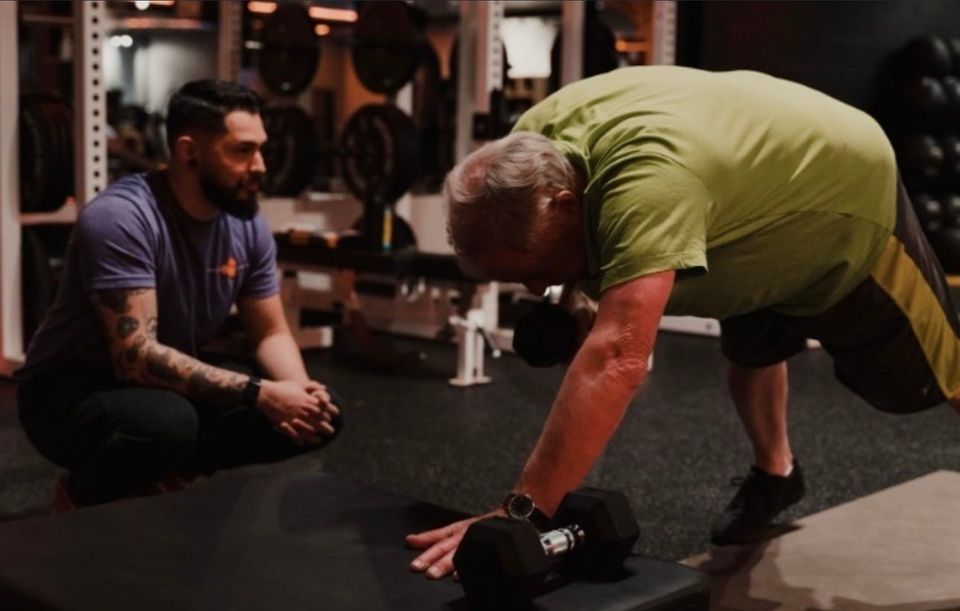
I was 21 years old, working at a gym, and convinced I had it all figured out.
I'd been lifting since 2014, so by 2018, I thought I knew what hard work looked like: train as often as you can, push through everything, more is always better. If you weren't beat up and sore, you weren't really trying.
That mentality gave me tendonitis in both knees and elbows.
I wasn't sleeping enough. I wasn't recovering (when I started I didn't even know that I was supposed to eat more protein). I was just grinding myself into the ground because I thought that's what you were supposed to do. And the whole time, I had no idea why any of it worked, I just did what was in front of me, hopped to the next shiny program after four weeks, and assumed more effort meant more progress.
I was wrong.
The Shift: What the Desk Side Taught Me
Being a lifter didn't teach me how to program. It did teach me how to show up and move weight around, but I didn't understand exactly why things worked, how to progress intentionally, or what actual sustainable training looked like.
Working the front desk and sales side from 2017 to 2020—that's what changed everything.
I saw why people quit. And it was almost never about the program.
Sometimes it was the price. Sometimes it was unrealistic expectations where they thought they'd see results in two weeks, and gave up when they didn't. But most of the time, it was because they didn't see the value in what they were paying for. They didn't understand that training is an investment, not just a monthly expense. Of course, all of this can be done entirely on your own, but some people don't have the time to learn about how to go about this the right way. That's where coaches like me come in. We learned about all of this so you don't have to, we save you time and we help guide you to those results you want.
I also saw the gap between what people said they wanted and what they'd actually do. Everyone wanted results. Not everyone wanted to show up consistently and do the work that actually gets those results. It's not always the most exciting, but that's one of the costs of progress. When you consistently make deposits towards the goals you want to achieve, it all compounds.
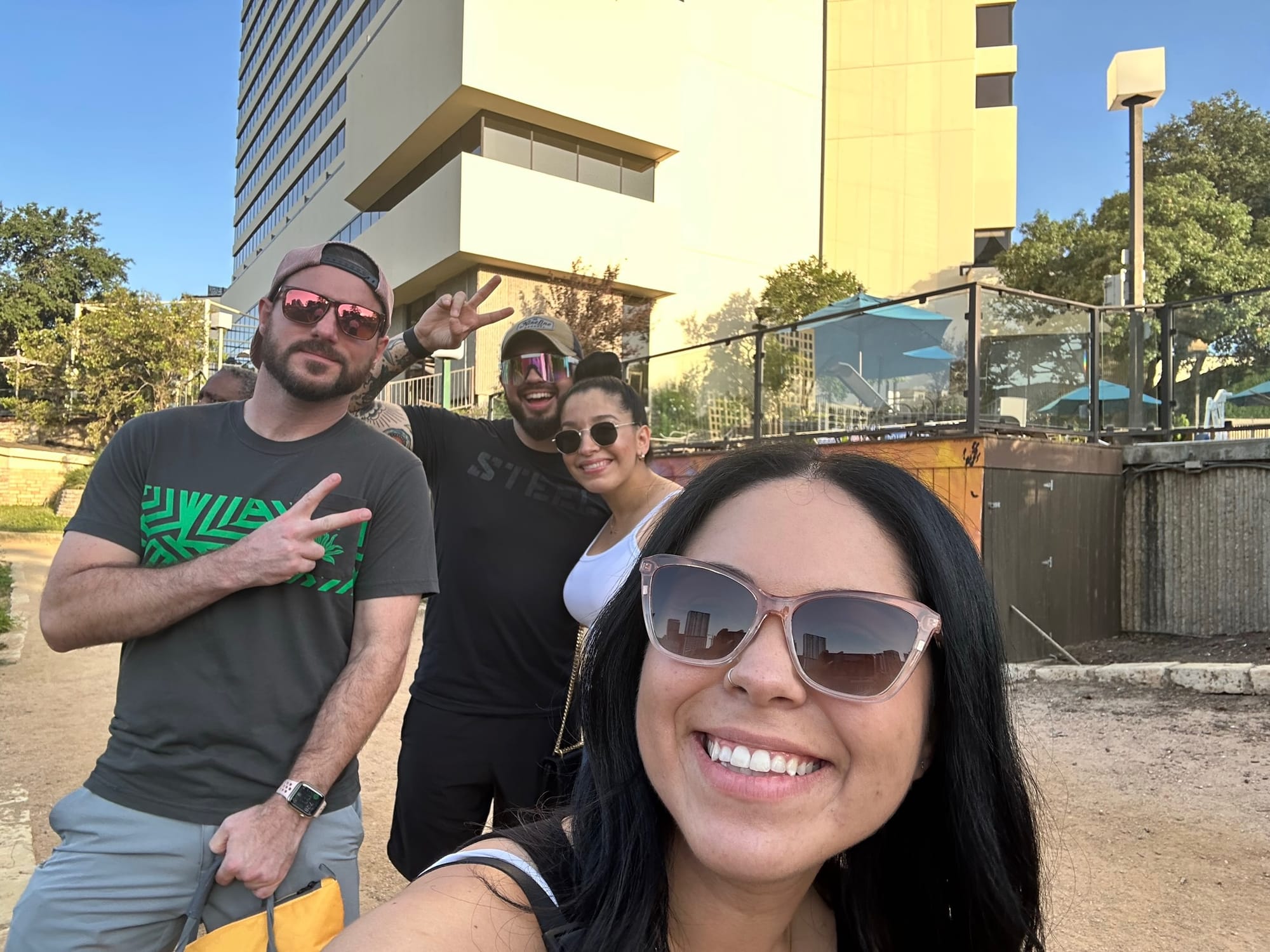
And I also saw how intimidating gyms feel to people who aren't already comfortable in them. That's why being warm, welcoming, and personable isn't optional for me. It's truly foundational. People don't stay where they don't feel like they belong, and building community is one of the things that my first gym got right. I still see a lot of my former clients from time to time for dinners and get togethers! Not only that, but I've created friendships that I know will last a lifetime. One of my former clients moved back to Texas with her soon to be husband a few years ago, and she helped convince me that Texas would be a great home for me. It's a good thing my wife already wanted to move there! Those two are some of the best people I know.
When I started coaching officially in 2020, all of that shaped how I work with people. Here's what I've learned over the past six years.
Lesson 1: People Don't Need Perfect, They Need Sustainable
I had another client who signed up for every single HIIT style class on the schedule. She was grinding herself into the ground, thinking more intensity meant faster results.
She said she wanted to tone up. And she thought the answer was cardio, cardio, cardio. She was always moving, always dancing, and that really was a great quality of hers.
But what she actually needed to reach her goals was to slow things down. Build strength. Build muscle. She needed to focus on resistance training, not just sweating more.
I spent weeks convincing her that just focusing on cardio wasn't the answer. That strength training is what really drives changes in body composition. It's what builds the muscle that keeps your metabolism working for you. It's what makes you feel strong and capable, not just exhausted.
She didn't need more intensity. She needed a sustainable plan that actually worked.
Lesson 2: The Scale Lies (sometimes). Show Them the Real Metrics
People come to me and say, "I want to lose 20 pounds."
That's the only metric that comes to mind initially. But that number doesn't account for fat mass versus muscle mass. (If you could lose 20 pounds and had the choice for it to be body fat or muscle, what would you rather get rid of?) The number on the scale doesn't tell the whole story.
That's why tracking metrics is huge. If I can show them, "Hey, your bench press went up 15 pounds over the past four weeks" or even, "you lost three pounds of fat, and you gained a pound of muscle," suddenly they see it. They see that the program is working. We have an InBody machine at my current gym. It’s an incredible piece of tech that gets into a lot of those details. As we track those metrics over time, we can evaluate if what we have been doing has been effective, or if we need to adjust and pivot.
And when people see real, measurable progress—they stay. Because they understand they're paying for the result, not just the amount of sessions. Investing in good coaching is an investment in themselves.
The scale is one data point. It's not the whole picture.
Lesson 3: Life Happens, But Showing Up Still Matters
I could write you a percentage-based program with goal weights and progressive overload like you're a professional athlete. (And that totally works for a lot of people by the way, but I’ll get to my point)
But you're likely not a pro athlete. You probably don't have round-the-clock chefs, coaches, massage therapists, and perfect sleep. You have a job. You might have a family. You have obligations that sometimes take precedence over your training. Sometimes that means the percentages we were supposed to hit won’t be.
And that's totally okay, I promise.
Some weeks are just bad weeks. Some months are bad. Life happens. When it does, we just have to adjust accordingly. Maybe we back off the intensity. Maybe we focus on maintenance or a deload. Both are still wins when you're playing the long game.
But (and this is important) there's a difference between "my body is beat down from hard work" and "I'm just not feeling it today."
That second phrase can turn into two weeks of excuses really easily.
Showing up on those days is a win. Even if you do something lighter. Even if it's not your best session. Just don't let "not feeling it" become a pattern that keeps you out of the gym entirely.
This journey isn't about short-term PRs. It's about still being able to train when you're 60 and beyond.
Consistency beats intensity.
Every single time.
Lesson 4: Desk Workers Are My People, And They Need This Most
The majority of people I've trained sit at desks for work. But with the rise of AI, computers and remote work in general, more and more people are spending their days sitting.
Most adults in general are either sitting at a desk or sitting in a car driving their kids around. They don't take time for themselves. I see it all the time.
There's a saying: "Sitting is the new smoking." And to an extent, it's true. Sitting all day can negatively affect your posture, your mobility, your strength. It can tighten your hips, weaken your back, and make it harder to move well when you finally do get to the gym.
That's why simpler can be better. That's why sustainability wins. These people don't have hours to spend in the gym every day. They need a program that works with their life, not against it.
You don't need to feel beat up all the time. You don't need to be sore after every workout to know it's working. You need to listen to your body. You need to recover. You need to build strength in a way that actually lasts.
That's what I wish I'd known when I was 21.
What I Wish I Could Tell Every Desk Worker
You don't need more intensity. You need to have consistency that you can actually maintain.
You don't need to grind yourself into the ground to make progress. You need to show up, do the work, and give your body what it needs to recover.
And most importantly, you don't need to do it alone. A small group environment where people support each other beats grinding solo in the corner of a commercial gym every time.
The goal isn't to be the strongest person in the gym for most people (I mean it could be for you, I wish you luck in that goal if it's yours), but the goal should be continuing to train for decades.
That's what working in gyms since 2017 taught me. That's what six years of coaching has reinforced. And that's what I wish someone had told me when I was younger.
Simpler works. Sustainable wins. And sometimes, backing off is exactly what you need to keep moving forward.
I'll leave you with one of my favorite sayings.
"The best time to plant a tree was 20 years ago, the next best time is today"
Now go hit the gym!
-Chris
Member discussion